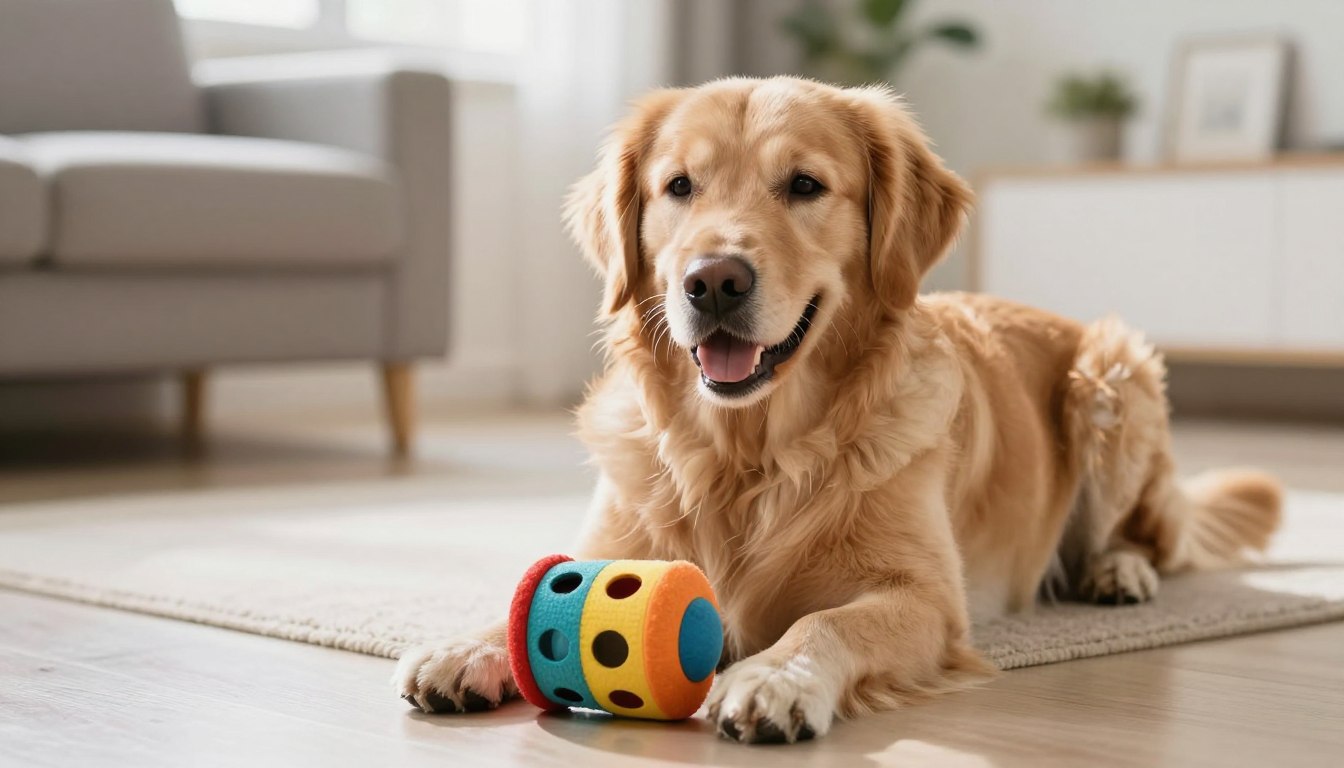
Studies show that mentally stimulated dogs display fewer behavioral problems. They experience less anxiety and destructive tendencies. A tired brain creates a calm dog, making your life easier and your pet’s life more fulfilling.
This guide explores seven proven enrichment activities that challenge your dog mentally. These activities work for all breeds and energy levels. You’ll discover simple ways to incorporate brain games into your daily routine without significant time investment.
Quick Start Tip: Begin with just 5 minutes of mental stimulation twice per day. This small commitment can dramatically reduce problem behaviors while strengthening your bond with your dog.
Why Mental Stimulation Is Essential for Your Dog’s Well-Being
Mental enrichment serves as nutrition for your dog’s brain. Without proper cognitive exercise, dogs often develop unwanted behaviors. These include excessive barking, digging, chewing furniture, and general restlessness throughout the house.
Physical exercise alone cannot satisfy a dog’s need for engagement. A tired body with an active mind will still seek stimulation. This explains why some dogs remain destructive even after long walks or runs at the park.

Brain games and enrichment activities provide multiple benefits for dogs:
- Reduced anxiety and stress levels during alone time
- Improved problem-solving skills and cognitive function
- Better behavior and impulse control in various situations
- Stronger bond between you and your dog through interactive play
- Prevention of cognitive decline in senior dogs
- Healthy outlet for natural instincts like sniffing and foraging
Different dogs require varying levels of mental stimulation. Working breeds like Border Collies and German Shepherds need extensive cognitive challenges. However, all dogs benefit from regular brain exercise regardless of breed or age.
The key is finding activities that match your dog’s interests and abilities. Some dogs love nose work and scent games. Others prefer puzzle toys or learning new tricks. Experimenting with different activities helps you discover what keeps your dog mentally engaged.
Consistency matters more than duration. Short daily sessions of 10-15 minutes prove more effective than occasional longer sessions. Regular mental stimulation becomes part of your dog’s routine, providing structure and predictability they crave.
Activity 1: Puzzle Feeders and Interactive Food Toys

Puzzle feeders transform mealtime into a rewarding mental challenge. These toys require dogs to solve problems to access their food or treats. This engages their brain while satisfying their natural foraging instincts.
Start with simple puzzle toys for beginners. Choose feeders with larger openings and straightforward mechanisms. As your dog masters basic puzzles, gradually introduce more complex designs with multiple steps and hidden compartments.
How to Introduce Puzzle Feeders
Begin by showing your dog how the puzzle works. Place high-value treats in easy-to-access spots. Let them watch as you demonstrate the solution. This builds confidence and prevents frustration during initial attempts.
Use puzzle feeders during regular mealtimes to slow down fast eaters. This prevents digestive issues while providing mental stimulation. Rotate different puzzle toys throughout the week to maintain interest and challenge.
Types of Puzzle Feeders
- Sliding compartment puzzles with multiple treat hiding spots
- Flip and find games requiring paw or nose manipulation
- Treat dispensing balls that release food during rolling
- Snuffle mats that hide kibble in fabric strips
- Interactive boards with various difficulty levels
Monitor your dog during puzzle time initially. Some dogs need encouragement to persist when challenges arise. Offer gentle guidance without solving the puzzle for them. This builds problem-solving skills and confidence over time.
Clean puzzle feeders regularly to prevent bacteria buildup. Check toys for damage before each use. Replace worn pieces to ensure safety during play sessions throughout the day.

Nina Ottosson Beginner Puzzle
Perfect starter puzzle with sliding compartments. Introduces your dog to problem-solving without overwhelming difficulty. Made from durable materials for long-lasting use.

Outward Hound Advanced Puzzle
Multi-step puzzle that challenges experienced dogs. Features sliding covers and hidden treat compartments. Adjustable difficulty keeps dogs engaged as skills improve.

PAW5 Wooly Snuffle Mat
Mimics natural foraging in grass. Hide kibble or treats in fabric strips for extended sniffing sessions. Machine washable for easy maintenance and hygiene.
Puzzle feeders work especially well for dogs who stay home alone. They provide entertainment and mental stimulation during your absence. This reduces separation anxiety and keeps your dog productively occupied for extended periods.
Activity 2: Scent Work and Nose Games

A dog’s nose contains up to 300 million scent receptors. This makes scent work one of the most mentally stimulating activities you can offer. Nose games tap into natural hunting instincts while providing intense cognitive exercise.
Start with basic hide-and-seek games using treats or toys. Let your dog watch as you hide items in easy locations around the house. Gradually increase difficulty by hiding items in more challenging spots. Eventually, hide objects while your dog waits in another room.
Simple Scent Games to Try Today
The muffin tin game offers an excellent introduction to nose work. Place treats in some cups of a muffin tin. Cover all cups with tennis balls. Your dog must use their nose to identify which cups contain treats. This game costs almost nothing but provides substantial mental stimulation.
Create a scent trail by dragging a treat along the floor in a winding path. Place a reward at the end of the trail. Your dog follows the scent path to find the prize. Increase complexity by creating multiple trails with different scent markers.
Box Search Game
Place several cardboard boxes around a room. Hide treats in one or two boxes. Let your dog search and indicate which boxes contain rewards. Change box positions between rounds.
Towel Roll Challenge
Scatter treats on a towel and roll it up loosely. Your dog must unroll the towel to access the treats. This combines nose work with physical manipulation for complete engagement.
Container Game
Use different sealed containers with treats inside. Let your dog sniff each container and indicate which one holds the reward. This teaches precise scent discrimination skills.
Weather conditions affect outdoor scent work differently than indoor games. Wind, rain, and temperature change how scent travels. Indoor scent games provide consistent training opportunities regardless of outdoor conditions throughout the day.
Advanced scent work involves teaching your dog to find specific scents. Essential oils like lavender or birch can serve as target scents. Hide cotton balls with these scents around your house. Reward your dog when they locate and indicate the correct scent.
Pro Tip: Keep scent work sessions short but frequent. Ten minutes of focused nose work tires a dog more than a 30-minute walk. This makes scent games perfect for rainy days or when you have limited time.
Nose work builds confidence in shy or anxious dogs. The activity allows them to use natural abilities without pressure. Success in finding hidden items creates positive associations and reduces stress over time.
Get Your Free 30-Day Mental Enrichment Calendar
Download our complete guide with daily mental stimulation activities for dogs. Each day includes new games, puzzles, and enrichment ideas to keep your dog’s brain active and engaged.
Activity 3: Teaching New Tricks and Commands

Training sessions provide intense mental stimulation while strengthening your bond. Learning new tricks challenges your dog’s brain in ways that physical exercise cannot match. Even five minutes of training can tire a dog mentally more than a long walk.
Focus on positive reinforcement methods using treats, praise, and play. Break complex tricks into small steps. Reward each successful attempt to maintain motivation and build confidence throughout the training process.
Beginner Tricks for Mental Engagement
Start with foundational commands if your dog knows limited tricks. “Sit,” “down,” and “stay” form the building blocks for more advanced behaviors. These basic commands also improve impulse control and focus during daily activities around the house.
- Touch: Teach your dog to touch their nose to your hand on command. This builds focus and creates a foundation for more complex tricks later.
- Spin: Use a treat to lure your dog in a circle. Add the verbal cue once they understand the motion. This trick provides both mental and physical engagement.
- Paw/Shake: Capture the natural behavior of lifting a paw. Reward immediately when the paw rises. This trick impresses visitors while building coordination skills.
- Leave It: This essential command teaches impulse control. Place a treat on the floor and reward your dog for not taking it. Critical for safety in various situations.
- Find It: Teach your dog to locate specific toys by name. Start with one toy and gradually add more. This combines training with nose work for maximum stimulation.
Advanced dogs benefit from complex trick chains. String multiple behaviors together in sequence. For example, “go to your bed, spin, and lie down” creates a mental workout. These chains require focus and memory throughout each session.

Sport and Competition Training
Formal dog sports provide structured mental stimulation. Agility training teaches dogs to navigate obstacle courses. Rally obedience combines basic obedience with complex patterns. Nose work competitions formalize scent detection skills into competitive events.
These activities don’t require competition participation to provide benefits. Practice agility obstacles in your backyard. Create rally courses in your living room using household items. The training itself offers substantial mental enrichment regardless of competition goals.
Mental Benefits of Training
Regular training sessions create measurable improvements in cognitive function and behavior throughout your dog’s life.
- Improved focus and attention span during daily activities
- Better impulse control in distracting situations
- Enhanced problem-solving abilities over time
- Reduced anxiety through predictable structure
Training Session Tips
Maximize training effectiveness by following proven principles that keep dogs engaged and motivated.
- Keep sessions between 5-15 minutes maximum length
- End on a positive note with successful repetition
- Train before meals when food motivation peaks
- Use high-value treats for challenging new tricks
Common Training Mistakes
Avoid these pitfalls that reduce training effectiveness and frustrate both you and your dog.
- Training sessions that last too long causing fatigue
- Inconsistent cues confusing your dog over time
- Inadequate rewards reducing motivation to participate
- Skipping foundational skills before advancing further
Age-Appropriate Training
Adjust training complexity based on your dog’s age and capabilities for optimal results.
- Puppies learn basic commands and socialization skills
- Adult dogs master complex tricks and behaviors
- Senior dogs benefit from gentle mental refreshers
- All ages can learn with proper modifications
Trick training works particularly well on bad weather days. You need minimal space and equipment. A handful of treats and ten minutes provide substantial mental exercise when outdoor activities aren’t possible.
Document your dog’s progress with photos or videos. This helps track improvement over time. Many dogs love the attention from training sessions. Regular practice strengthens your communication and deepens your relationship with consistent positive interactions.
Activity 4: Interactive Games and Tug Toys

Interactive play combines physical activity with mental engagement. Games like tug-of-war provide exercise while teaching impulse control. These activities strengthen the bond between you and your dog through shared fun and positive experiences.
Tug games get an undeserved bad reputation. Research shows that tug-of-war doesn’t increase aggression when played with proper rules. The game actually teaches valuable skills like “drop it” and “take it” commands that prove useful throughout the day.
Rules for Healthy Interactive Play
Establish clear boundaries before starting interactive games. Your dog should know when play starts and stops. Use consistent verbal cues to signal transitions. This prevents overexcitement and maintains control during intense play sessions around the house.
The “take it” command gives your dog permission to grab the toy. Practice this cue consistently so your dog waits for permission before engaging. The “drop it” command ends the game. Reward your dog immediately when they release the toy on command.
Benefits of Interactive Play
- Burns both mental and physical energy simultaneously
- Teaches impulse control through structured rules
- Builds confidence in shy or anxious dogs
- Strengthens your bond through shared activity
- Provides appropriate outlet for natural prey drive
- Improves coordination and body awareness skills
Potential Challenges
- Requires supervision to prevent aggressive behavior
- Some dogs become overexcited without proper structure
- Need consistent rules applied by all family members
- May not suit dogs with resource guarding issues
- Requires gradual introduction for hesitant dogs
Hide and Seek With Toys
Transform fetch into a brain game by hiding toys around your home. Start by hiding the toy in plain sight. Gradually increase difficulty as your dog improves their searching skills. This combines nose work with the excitement of finding their favorite things.
The “go find” command initiates the search. Send your dog to locate hidden toys in different rooms. Celebrate enthusiastically when they succeed. This game works well for dogs with limited mobility who need more mental than physical exercise.

Rotate toys regularly to maintain interest. Dogs lose enthusiasm for toys they see constantly. Keep some toys hidden and bring them out only for special play sessions. This makes familiar toys feel new and exciting each time.
Flirt Pole Training
A flirt pole resembles a giant cat toy for dogs. The pole has a rope with a toy attached at the end. You move the toy in unpredictable patterns while your dog chases. This activity provides intense exercise while teaching impulse control and focus.
Incorporate obedience commands into flirt pole sessions. Make your dog sit and wait before chasing. Call them off the toy mid-chase to practice recall. Release them again with your “take it” cue. These interruptions provide mental stimulation alongside physical activity.
Limit flirt pole sessions to 10-15 minutes maximum. The intensity can strain joints if extended too long. Always warm up with gentle play before intense chasing. Cool down afterward with calm activities to prevent injury throughout the play session.
Activity 5: DIY Enrichment Activities Around the House

You don’t need expensive toys to provide mental stimulation. Common household items create excellent enrichment opportunities. These DIY activities cost little or nothing while keeping your dog mentally engaged throughout the day.
Cardboard boxes offer endless enrichment possibilities. Dogs love shredding boxes to find hidden treats. This satisfies natural destructive urges in an acceptable way. Supervise during this activity and clean up pieces afterward to prevent ingestion.
Easy DIY Enrichment Ideas
The paper bag treasure hunt provides simple entertainment. Crumple paper bags and hide treats inside. Place several bags around a room. Your dog searches through bags to find the hidden rewards. This combines nose work with physical manipulation.
Frozen treats offer extended enrichment on hot days. Fill a Kong toy with wet dog food or peanut butter. Freeze it overnight. Your dog spends considerable time licking and chewing to access the frozen contents. This keeps them occupied for 30-45 minutes.
Muffin Tin Puzzle
Use a standard muffin tin and tennis balls. Place treats in some cups and cover all with balls. Your dog must remove balls to find hidden treats. Difficulty increases by adding more empty cups.
Towel Burrito
Spread treats along a towel and roll it up. Your dog unrolls the towel to access rewards. Add difficulty by tying knots in the towel or using multiple layers.
Plastic Bottle Game
Remove cap and label from plastic bottle. Drop treats inside. Your dog rolls the bottle to dispense treats. Supervise closely and discard when bottle shows damage.
Food Dispensing Activities
Scatter feeding turns mealtime into a foraging opportunity. Instead of using a food bowl, scatter kibble across your lawn or living room floor. Your dog must search for each piece. This slows eating while providing mental stimulation during regular meals.
Create a digging box for dogs who love to dig. Fill a plastic kiddie pool with sand or dirt. Bury toys and treats for your dog to excavate. This satisfies natural digging instincts without destroying your garden. Keep the box in a designated area outside.

Ice cube games provide refreshing summer enrichment. Freeze treats or small toys in ice cubes. Your dog licks and manipulates the ice to access rewards. Add flavor by using low-sodium broth instead of plain water for enhanced interest.
Sensory Enrichment Ideas
Different textures stimulate your dog’s senses. Create a sensory walk by placing various materials in a line. Use bubble wrap, carpet samples, rubber mats, and grass patches. Guide your dog across different surfaces. This provides novel sensory experiences that engage their brain.
Sound enrichment adds mental stimulation through auditory input. Play nature sounds or calm music when your dog rests alone. Some dogs enjoy watching dog TV shows designed specifically for canine viewers. These programs feature movements and sounds that capture canine attention.
Rotate enrichment activities to maintain novelty. What excites your dog today may bore them next week. Keep several activities in rotation. Reintroduce old favorites after a break to renew interest in previously mastered games.
Activity 6: Socialization and Environmental Exploration

New environments provide natural mental stimulation. Different sights, sounds, and smells challenge your dog’s brain without structured activities. Regular exposure to novel experiences keeps your dog’s mind active and adaptable to various situations.
Vary your walking routes to maximize environmental enrichment. The same daily path becomes predictable and less stimulating over time. Explore different neighborhoods, parks, or trails each week. New environments offer countless interesting smells and sights that engage your dog’s senses.
Structured Socialization Activities
Dog-friendly stores provide controlled socialization opportunities. Many pet stores, home improvement centers, and outdoor shopping areas welcome well-behaved dogs. These environments expose your dog to people, sounds, and experiences that build confidence and reduce anxiety over time.
Organize playdates with compatible dogs. Social play offers complex mental stimulation as dogs read body language and adjust their behavior. Choose playmates carefully based on size, play style, and temperament. Supervise all interactions to ensure positive experiences for all dogs involved.
Environmental Enrichment Locations
Visit diverse locations to maximize mental stimulation benefits throughout your dog’s life.
- Hardware stores with interesting smells and sounds
- Outdoor cafes where your dog can observe people
- Nature trails with natural terrain and wildlife scents
- Beach or lake areas for water exploration
- Dog-friendly events and festivals in your community
- Quiet residential areas for calm evening walks

Sniff Walks for Mental Exercise
Traditional walks focus on distance and speed. Sniff walks prioritize mental stimulation over physical exercise. Allow your dog to stop and smell frequently. Let them investigate interesting scents for as long as they want. This satisfies natural curiosity while tiring their brain.
Sniff walks work especially well for senior dogs or those with mobility limitations. A 15-minute sniff walk can tire a dog more than a 30-minute brisk walk. The mental processing required to analyze scents provides substantial cognitive exercise.

Practice the “go sniff” cue to give your dog permission to explore. Teach them to walk nicely between sniff stops. This creates structure while allowing freedom to investigate their environment. Balance sniff walks with traditional exercise walks to meet both mental and physical needs.
Car Rides and Window Watching
Safe car rides expose your dog to changing scenery. Drive to a park and sit in the parking lot. Your dog watches people, dogs, and activities from the safety of your car. This provides mental stimulation for dogs who shouldn’t physically interact with others.
Window watching offers indoor environmental enrichment. Place a comfortable bed near a window. Your dog observes outdoor activities, birds, and passing people. This passive stimulation reduces boredom during times when active play isn’t possible throughout the day.
Some dogs become reactive when watching from windows. If your dog barks excessively or shows stress, redirect to other activities. Window watching should remain calm and enjoyable rather than creating anxiety or aggressive behavior patterns.
Need Personalized Mental Enrichment Guidance?
Every dog has unique needs and preferences. Our certified trainers create customized mental stimulation plans based on your dog’s age, breed, and personality. Book a free 15-minute consultation to discover the perfect enrichment activities for your dog.
Activity 7: Home Agility Courses and Obstacle Challenges

Agility training challenges both mind and body simultaneously. Your dog must think about where to place their paws while following your directions. This dual focus provides exceptional mental stimulation while improving physical coordination and confidence.
You don’t need professional equipment to create an agility course. Household items become obstacles with creativity. Chairs form weave poles. Broomsticks create jumps. Blankets draped over furniture become tunnels. These makeshift courses work as well as expensive equipment.
Basic Home Agility Obstacles
Start with simple obstacles before adding complexity. A single jump pole teaches your dog to watch where they’re going. Set the height low initially, barely off the ground. Raise it gradually as your dog gains confidence and physical ability.
Jump Obstacles
Use broomsticks balanced on boxes or buckets. Start at ankle height. Guide your dog over with treats. Add the “jump” or “over” command as they learn the motion.
Weave Poles
Place chairs, cones, or sticks in a straight line. Guide your dog through using treats. This teaches body awareness and improves coordination through tight spaces.
Tunnel Fun
Use play tunnels or blankets draped over chairs. Encourage your dog to go through. This builds confidence while providing an exciting challenge.
Creating Complete Course Sequences
Once your dog masters individual obstacles, create sequences. String three to five obstacles together. Your dog must remember the order while executing each challenge. This provides substantial mental exercise as they plan their route and follow your directions.
Change course layout regularly to maintain interest. Dogs memorize sequences quickly. Rearranging obstacles forces them to pay attention rather than running on autopilot. This maximizes mental engagement during each training session throughout the week.

Mental Aspects of Agility Training
Agility requires more than physical ability. Dogs must listen to verbal cues while running. They watch for hand signals indicating direction changes. This dual processing taxes the brain significantly while building focus and attention span over time.
Practice handler focus exercises separately from obstacle work. Train your dog to watch you while moving. Use the “watch me” command to capture attention. Strong handler focus translates to better performance when running agility sequences.
| Obstacle Type | Difficulty Level | Mental Skills Developed | Setup Time |
| Single Jump | Beginner | Body awareness, impulse control | 2 minutes |
| Weave Poles | Intermediate | Coordination, pattern recognition | 5 minutes |
| Tunnel | Beginner | Confidence, spatial awareness | 3 minutes |
| Multiple Obstacle Course | Advanced | Memory, focus, problem-solving | 10-15 minutes |
| Platform Balance | Intermediate | Balance, body control, confidence | 2 minutes |
Safety remains paramount during agility training. Check all obstacles for stability before each session. Avoid slippery surfaces that could cause falls. Keep jump heights appropriate for your dog’s size and age. Senior dogs benefit from agility training using lower obstacles.
Video your agility sessions to track progress. Watching recordings helps identify areas needing improvement. Many dogs show visible excitement when agility equipment appears. This enthusiasm demonstrates how much mental and physical satisfaction these activities provide.
Indoor Alternatives for Bad Weather
Bad weather doesn’t stop agility training. Create mini-courses indoors using furniture and household items. Your dog can walk on low benches for balance practice. They can weave between table legs. Crawl under chairs. These adaptations maintain training consistency regardless of weather conditions.
Indoor agility focuses more on precision than speed. Slower execution in tight spaces requires greater concentration. This mental challenge complements outdoor high-speed training. Alternate between both environments for comprehensive mental and physical development.
Implementing Mental Stimulation Into Your Daily Routine

Consistency produces better results than occasional intensive sessions. Create a realistic schedule that fits your lifestyle. Even small amounts of daily mental stimulation significantly impact your dog’s behavior and well-being over time.
Morning enrichment sets a positive tone for the day. Spend five minutes on a quick training session or puzzle feeder before work. This mental exercise helps your dog settle more calmly during alone time. They rest peacefully rather than engaging in destructive behavior.
Sample Daily Enrichment Schedule
Morning Routine (15 minutes)
Start the day with cognitive challenges that tire your dog mentally before you leave.
- Feed breakfast in puzzle feeder or scatter feed
- Five-minute trick training session with treats
- Quick scent game before departure to work
- Frozen Kong to enjoy during your absence
Midday Break (10 minutes)
Break up your dog’s day with mental stimulation if possible.
- Short sniff walk around the neighborhood block
- Interactive play session with favorite toy options
- Simple nose work game hiding treats around
- New chew toy for afternoon entertainment time
Evening Activities (20 minutes)
Wind down the day with calming enrichment activities.
- Training session practicing known and new tricks
- Interactive play like tug or hide-and-seek
- Puzzle toy while you prepare dinner meal
- Calm sniff walk before bedtime routine
Weekend Enrichment (30-60 minutes)
Dedicate more time to complex activities when schedules allow.
- Visit new environment for exploration opportunities
- Set up home agility course practice
- Extended training session for complex tricks
- Socialization with other friendly dogs nearby
Adapting for Different Life Stages
Puppies need shorter, more frequent mental stimulation sessions. Their attention spans remain limited during early development. Focus on simple activities that build foundation skills. Three to five short sessions daily work better than one longer session.
Adult dogs handle more complex challenges and longer sessions. They can focus for 15-20 minutes on difficult puzzles or training. Adjust difficulty based on your individual dog’s abilities rather than age alone. Some dogs master advanced activities quickly.
Senior dogs benefit greatly from continued mental stimulation. Cognitive exercise helps prevent mental decline as dogs age. Adapt activities to account for physical limitations. Focus on scent work, simple puzzles, and gentle training that doesn’t stress aging joints.

Monitoring Your Dog’s Response
Watch for signs of appropriate mental tiredness. A properly stimulated dog appears calm and content. They settle easily for naps after mental exercise. Destructive behaviors decrease significantly with consistent cognitive challenges throughout each day.
Some dogs show frustration with overly difficult activities. If your dog gives up quickly or shows stress, reduce difficulty. Build confidence with easier challenges before progressing. Mental stimulation should feel rewarding rather than frustrating for optimal results.
Track which activities your dog enjoys most. Some dogs love puzzle toys while others prefer training. Individual preferences guide you toward the most effective enrichment strategies. Rotate favorite activities to prevent boredom while maintaining engagement.
Important: Mental stimulation tires dogs but shouldn’t replace physical exercise. Dogs need both cognitive challenges and physical activity for complete well-being. Balance mental enrichment with regular walks and playtime for optimal health.
Troubleshooting Common Mental Stimulation Challenges
Not every dog immediately embraces enrichment activities. Some dogs show disinterest or frustration initially. Understanding common obstacles helps you adapt your approach for better success with your individual dog’s needs.
My Dog Ignores Puzzle Toys
Start with extremely easy puzzles that guarantee success. Place high-value treats in obvious locations. Show your dog how the puzzle works through demonstration. Some dogs need multiple exposures before understanding the concept of working for food.
Make sure your dog is hungry during puzzle time. A full dog lacks motivation to work for food rewards. Schedule puzzle activities before meals when hunger peaks. This increases engagement and persistence with challenging puzzles.
My Dog Gets Frustrated Too Quickly
Reduce difficulty immediately if your dog shows frustration. Break complex activities into smaller, manageable steps. Reward every small success to build confidence. Frustrated dogs shut down and stop trying, defeating the purpose of enrichment activities.
Some dogs need more guidance than others. Help them succeed initially rather than letting them struggle alone. Gradually reduce assistance as skills improve. The goal is building confidence through achievable challenges rather than creating stress.
How much mental stimulation does my dog need daily?
Most dogs benefit from 15-30 minutes of dedicated mental stimulation daily, broken into 2-3 short sessions. Working breeds and high-energy dogs may need 30-60 minutes. Adjust based on your dog’s behavior. A properly stimulated dog appears calm and content rather than restless or destructive.
Can mental stimulation replace physical exercise?
No, mental stimulation complements but doesn’t replace physical exercise. Dogs need both cognitive challenges and physical activity for complete health. However, mental exercise does tire dogs significantly. A 15-minute brain game can equal a 30-minute walk in terms of tiredness.
What if my senior dog has trouble with puzzles?
Simplify puzzles for senior dogs or those with cognitive decline. Use very easy puzzle toys with obvious solutions. Focus more on scent work and gentle training rather than complex problem-solving. The goal is engagement at an appropriate level, not perfection.
My dog destroys enrichment toys immediately. What should I do?
Supervise all enrichment activities with destructive chewers. Remove toys showing damage immediately. Choose extremely durable options designed for power chewers. Some dogs do better with edible enrichment like frozen Kongs rather than puzzle toys they can destroy.
How do I know if an activity is too difficult?
Watch your dog’s body language during activities. Signs of excessive difficulty include giving up within 30 seconds, whining, or walking away. The activity should challenge your dog without causing stress. If they struggle, simplify the task and gradually increase difficulty over time.
My Dog Only Wants to Play One Activity
Some dogs fixate on favorite activities. While repetition isn’t harmful, variety provides broader cognitive benefits. Introduce new activities gradually alongside favorites. Offer higher-value rewards for trying new challenges. Eventually, most dogs expand their activity preferences with patient encouragement.
Rotate activities throughout the week rather than offering everything daily. Monday might feature puzzle toys while Tuesday focuses on scent work. This rotation maintains novelty while respecting your dog’s preferences and keeping engagement high.

Multiple Dog Households
Separate dogs during enrichment activities initially. Some dogs guard resources or distract each other. Individual attention allows each dog to work at their own pace without competition or interference from housemates.
Once dogs understand activities, some can participate together. Scent work and hide-and-seek work well with multiple dogs. Puzzle feeders typically require separation to prevent resource guarding. Assess your dogs’ relationships before combining enrichment sessions.
Building a Lifetime of Mental Wellness for Your Dog
Mental stimulation activities for dogs create profound impacts beyond preventing boredom. These activities strengthen your bond while improving behavior. They provide outlets for natural instincts in acceptable ways. Most importantly, they enhance your dog’s quality of life throughout their years.
Start small with activities that interest your dog most. Consistency matters more than perfection. Even five minutes daily creates measurable improvements in behavior and well-being. Gradually expand your enrichment routine as you discover what your dog enjoys.

Remember that every dog is unique. What works for one may not suit another. Experiment with different activities from this guide. Pay attention to your dog’s responses and preferences. This individualized approach creates the most effective enrichment program.
Mental enrichment becomes easier with practice. You’ll develop routines that fit seamlessly into your schedule. Your dog will show visible excitement when enrichment time approaches. These positive associations make training and bonding activities more effective over time.
The investment in your dog’s mental health pays dividends throughout their life. You’ll enjoy a calmer, better-behaved companion. Your dog experiences less anxiety and more confidence. Together, you build a relationship based on communication, trust, and shared positive experiences every day.
Take Action Today: Choose one activity from this guide to try this week. Start with something simple that matches your dog’s current skill level. Observe their response and adjust accordingly. Building mental stimulation habits begins with a single small step.
Continue learning about canine enrichment as your skills develop. Join training classes or online communities focused on dog enrichment. Share successes and challenges with other dog owners. This ongoing education helps you provide increasingly effective mental stimulation for your dog.
Your commitment to your dog’s mental wellness creates lasting benefits. Dogs with regular cognitive challenges stay sharper as they age. They maintain better behavior and stronger bonds with their families. The time you invest in mental stimulation activities returns to you many times over in the form of a happy, well-adjusted companion who brings joy to your everyday life.