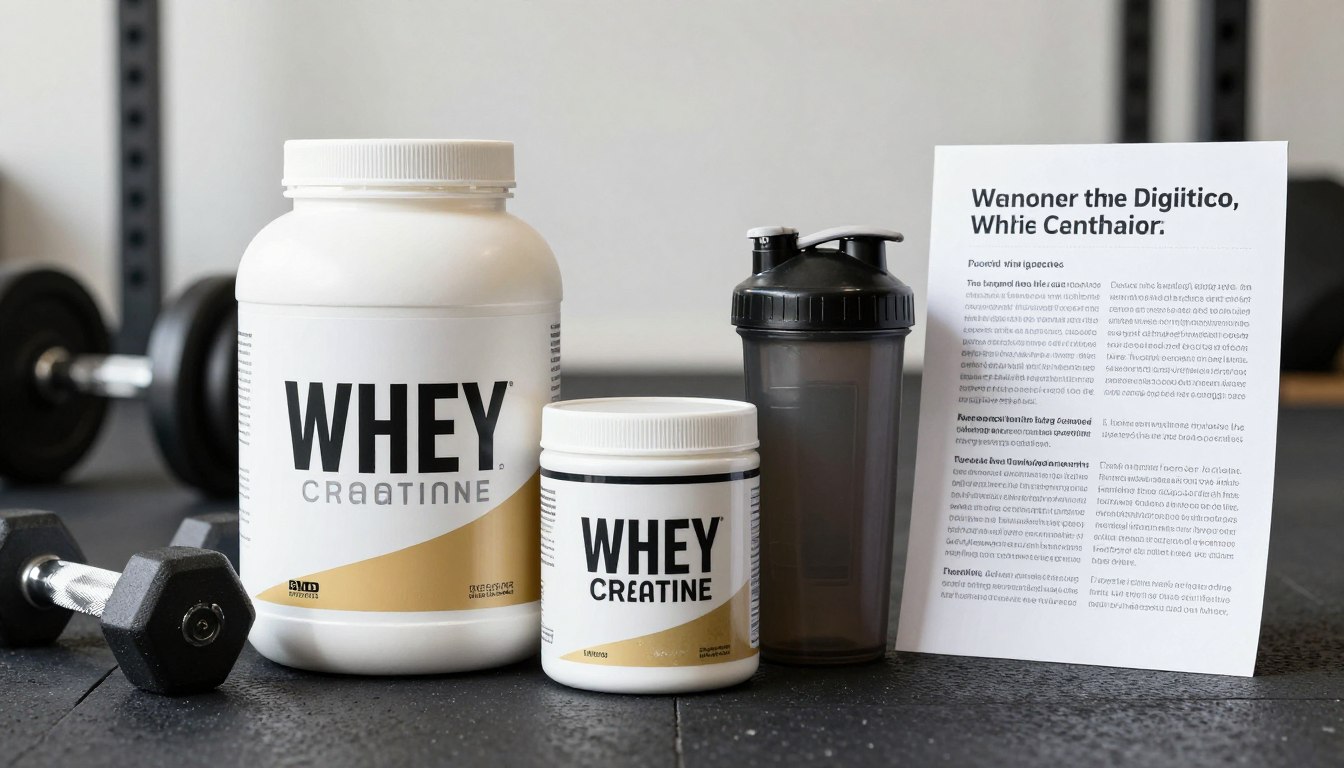
Starting a training plan can bring one common question: should you buy whey protein, creatine, or both? The answer depends less on hype and more on your diet, exercise routine, goals, and budget.
Whey protein helps you reach a daily protein target. Creatine supports the energy system used during short, hard efforts. Neither supplement replaces balanced meals, progressive training, sleep, or patience.
What the Top Ranking Pages Do Well
The Healthline result is built mainly for health education. Its likely audience is a broad B2C group of cold readers who want a trustworthy comparison. The natural conversion path is an internal health resource, a product recommendation, or a newsletter rather than an immediate purchase.
The Science of Good Health result appears closer to a supplement-store article. Its content can educate while moving warm readers toward whey protein, creatine, or related products. Its most suitable CTA is a product link placed after the reader understands the use case.
The ISSA result serves fitness learners, coaches, and active consumers. It can connect the comparison to courses, certifications, or training resources. That creates a service or information-product path for readers who want deeper instruction.
| Page type | Primary goal | Audience | Best CTA path |
| Health education | Inform | B2C cold visitors | Read a related guide or review options |
| Supplement brand | Inform and sell | B2C warm visitors | View a relevant product |
| Fitness education | Inform and generate leads | B2C and professional learners | Explore training resources |
Start with a simple goal check
Use your diet and training goal to narrow the choice before comparing brands or serving sizes.
Whey Protein vs Creatine: The Quick Beginner Answer
Choose whey protein if your meals do not provide enough protein. Protein supplies amino acids used for muscle protein synthesis, repair, and muscle growth. Whey is simply a convenient protein powder made from milk.
Choose creatine if your diet already provides enough protein and you want support for strength, power, and repeated high-intensity exercise. Creatine is stored in muscle cells and helps recycle energy during demanding efforts.
- Often miss your daily protein target
- Need a quick option after exercise
- Want a simple protein powder
- Have a goal of supporting muscle mass
Whey protein may fit if you
- Already eat enough protein
- Train for strength or power
- Perform repeated hard exercise
- Want a low-cost performance supplement
Creatine may fit if you

What Whey Protein Does
Whey protein is a complete protein. It contains all essential amino acids, including leucine, which helps signal muscle protein synthesis. It can support recovery and muscle growth when combined with resistance training and enough total food.
Whey protein does not build muscle by itself. It helps close a nutrition gap. A serving can be useful when breakfast is small, work makes cooking difficult, or appetite is low after exercise.
Who may benefit from whey?
- Beginners who struggle to eat enough protein from meals
- People with busy schedules who need a portable option
- Adults trying to preserve muscle mass during fat loss
- Vegetarians who include dairy but need more convenient protein

What Creatine Does
Creatine is a compound made in the body and found in foods such as meat and fish. Most stored creatine is held in muscle cells. During short, intense exercise, it helps support rapid energy production.
With consistent use, creatine may help improve training capacity, strength, and power. Those improvements can support muscle growth over time. It is not a stimulant and does not work like caffeine.
Who may benefit from creatine?
Creatine can suit beginners who perform resistance training, sprinting, jumping, or other repeated high-intensity exercise. It may be less important for someone who does not train hard or whose main need is simply more dietary protein.

Benefits for Muscle, Strength, and Recovery
Whey and creatine have different jobs. Whey protein supports the raw materials needed for repair and muscle protein synthesis. Creatine supports energy availability during hard sets, which may help you complete quality training.
For muscle growth, the basics still matter most: progressive resistance training, adequate calories, enough protein, and sleep. For fat loss, protein can help with fullness and muscle retention. Creatine may increase scale weight because muscles hold more water. That is not the same as fat gain.
Whey protein benefits
Whey offers a fast, practical source of protein and amino acids.
- Supports daily protein intake
- Supports muscle repair and recovery
- Can help preserve muscle during weight loss
- Works well in meals and smoothies
Creatine benefits
Creatine supports high-intensity work and repeated effort.
- Supports strength and power
- May improve training performance
- Can support long-term muscle mass gains
- Usually costs little per serving

How to Take Whey Protein and Creatine
For whey protein, use a serving when it helps you reach your daily protein goal. The exact time matters less than total intake across the day. You can take whey at breakfast, after exercise, or between meals.
For creatine, consistency matters more than a special clock time. Many people take it with a meal or after exercise because that routine is easy to remember. Follow the product label and use a reputable creatine monohydrate product.
Can you take whey protein creatine together?
Yes. Protein creatine together is generally a practical combination for healthy adults who want both nutrition support and exercise performance support. Mixing creatine into a whey shake is convenient, but taking them separately also works.

Build a routine you can repeat
Choose one consistent time for your supplement. A simple habit is more useful than chasing a perfect timing window.
Safety, Side Effects, and Common Myths
Whey protein is usually well tolerated, but it contains dairy unless it is specially filtered. People with milk allergies should avoid it. Those with lactose sensitivity may prefer whey isolate or a non-dairy option, though labels and personal tolerance matter.
Creatine may cause mild stomach upset if taken in a large amount. Some people notice temporary water gain in muscle. Drink normally and do not force excessive water. Creatine is not a steroid, and it does not automatically cause dehydration when used as directed.
Anyone with kidney disease, a medical condition, pregnancy, or regular prescription medicines should ask a qualified clinician before using supplements. Supplements can vary in purity, so look for clear labels and independent quality testing.
Important beginner note
Do not use a supplement to compensate for severe fatigue, pain, poor sleep, or a very restrictive diet. Those problems need a broader health plan.

Choosing by Goals, Diet, Training, and Budget
Start with your meals. If you regularly miss protein, whey protein is the first practical option. If your protein intake is already strong, creatine may offer more direct value for strength and high-intensity training.
Your training experience also matters. A beginner can use creatine, but it should not distract from learning technique and following a steady program. If your budget is limited, prioritize food, a basic training plan, and sleep before buying multiple supplements.
- Estimate whether your meals provide enough protein.
- Define one main goal, such as muscle growth, strength, recovery, or fat loss.
- Choose whey protein, creatine, or both based on that gap.
- Track training, body weight, digestion, and strength for several weeks.
- Change one variable at a time so you can judge the result.

Should Beginners Use One or Both?
There is no universal winner in the whey protein vs creatine question. Choose one when your budget or routine is simple. Choose both when you need help meeting protein needs and also want support for strength or repeated hard exercise.
Choose whey first
Your meals are low in protein, and convenience is your main problem.
Choose creatine first
You eat enough protein and train for strength, power, or performance.

Beginner FAQ About Protein Creatine
Is whey protein better than creatine?
Neither is better for every person. Whey helps meet protein needs, whereas creatine supports strength, power, and high-intensity performance.
Can whey protein and creatine be taken together?
Yes. Protein creatine together can be convenient when both fit your diet and training goals. They perform different roles.
Does creatine cause fat gain?
Creatine can increase water stored in muscle cells. That may raise body weight, but it is not the same as gaining body fat.
Do I need supplements to build muscle?
No. Supplements are optional. Food, resistance exercise, recovery, and a consistent plan remain the foundation for muscle growth.
When should I take whey protein?
Take whey protein at a time that helps you meet your daily protein target. There is no need to take it immediately after every workout.

Final Beginner Recommendation
Whey protein is the better first choice when your main problem is low protein intake. Creatine is the better first choice when your diet is already adequate and your main goal is more strength, power, or high-intensity exercise performance.
Some beginners can use creatine whey protein together, especially when both products fit the budget and routine. Start with one clear goal, use a reputable supplement, track your results, and give your training enough time to work.
Make your next step practical
Review your meals, choose your main training goal, and select the smallest supplement routine that solves your real need.